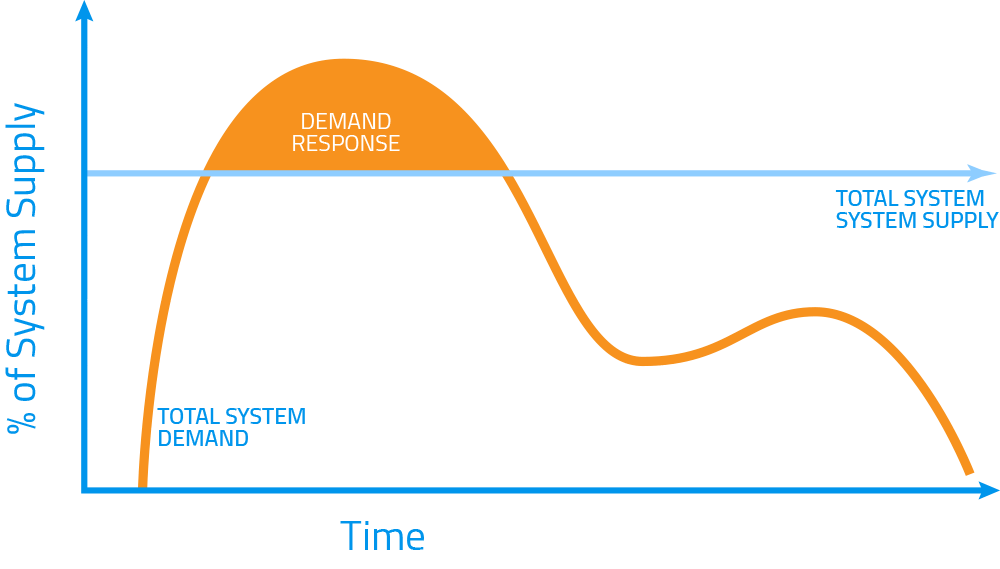
Until recently, the electricity grids that power our homes, businesses, and industry rarely integrated electricity storage. As a result, the production of electricity needs to track the consumption of electricity.
Until recently, the electricity grids that power our homes, businesses, and industry rarely integrated electricity storage. As a result, the production of electricity needs to track the consumption of electricity.
 I have been using an Ecobee3 Lite thermostat since 2019. Aside from the issue described in Hydro One's myEnergyRewards in Action, it has met my needs. I can create schedules that minimise furnace and A/C operation without impacting comfort levels.
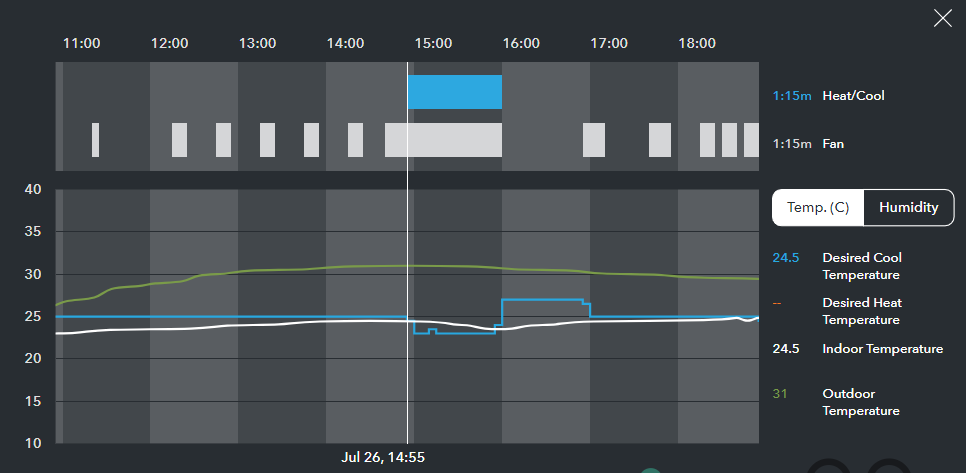
I am probably not a suitable candidate for demand response programs. I signed up for time-of-use (TOU) billing and try to shift electricity usage into the weekday low period from 19:00 to 07:00. During the summer, the air condition mostly runs at night, cooling the house to 21C from 23:00 to 07:00.
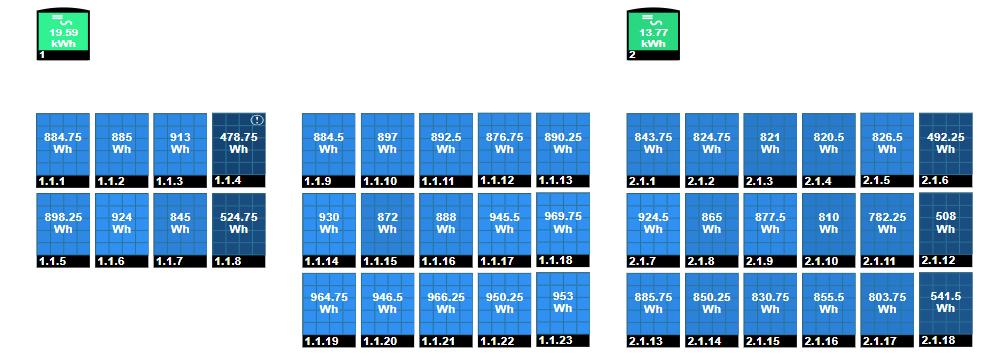
In April 2013, I went 'solar" with a 9.9 kW array of 41 240/245W Silfab solar panels installed with SolarEdge module optimisers and connected to two SolarEdge inverters, for a cost before tax of C$44K.
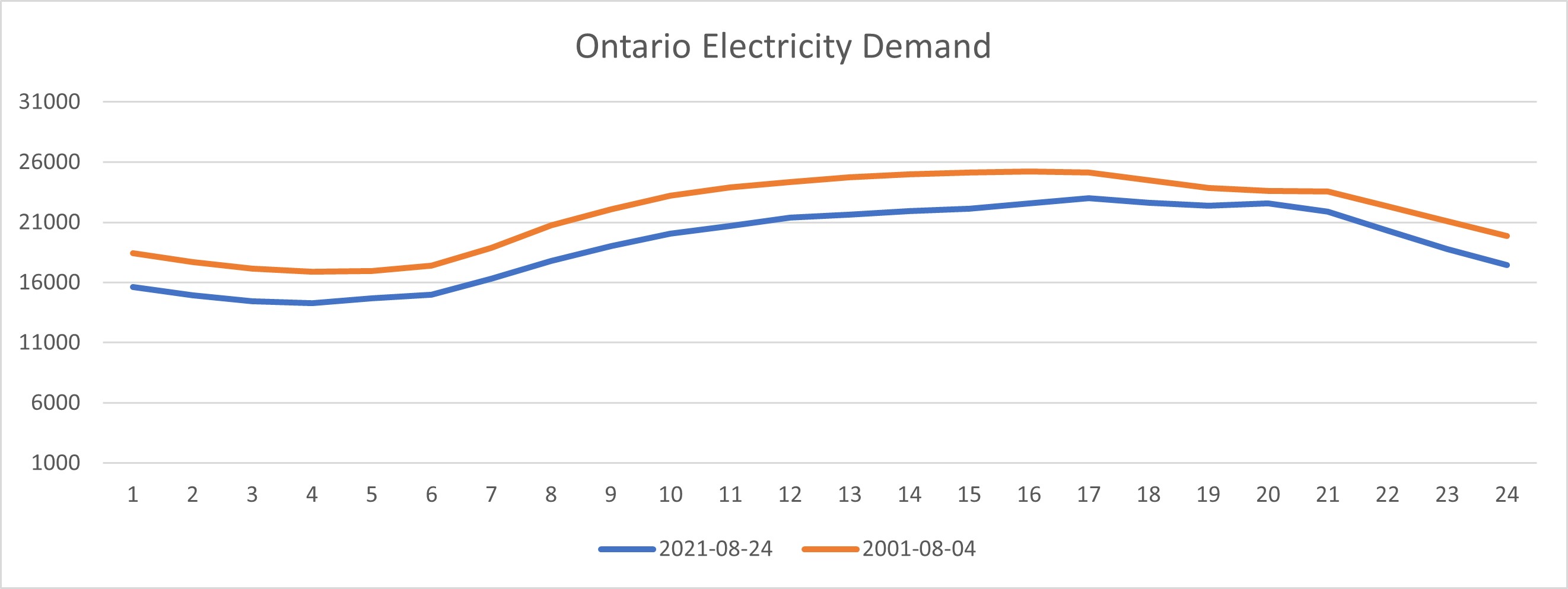
In Ontario, air conditioning combined with dinner preparation drives up electricity demands on sweltering summer afternoons. Based on https://www.ieso.ca/en/Power-Data/Data-Directory, the peak usage in the 1994-2002 period was on August 4/2001.